
Driving Blog
22nd April 2026
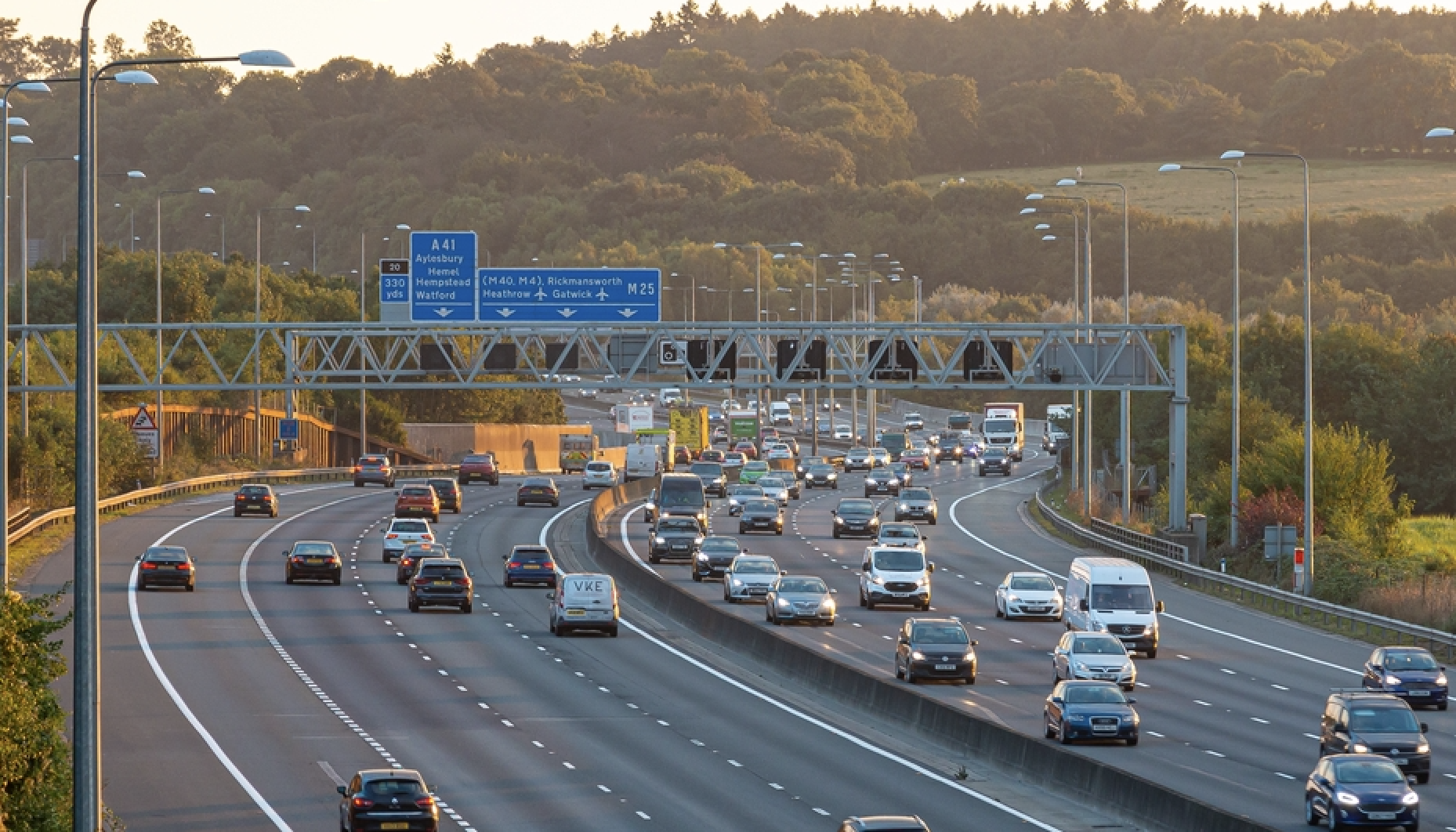
The M25 has a reputation for a reason. It is London’s orbital motorway, it carries huge volumes of traffic, and some stretches are exceptionally busy. National Highways says Junction 10 alone sees more than 300,000 vehicles a day. For a new driver, the challenge is not just speed; it is...

15th April 2026
The UK’s road network is one of the most intensively used in Europe. Yet despite decades of improvement, road traffic collisions remain a major cause of death and injury. Provisional figures from the Department for Transport show that there were 1,633 fatalities on British roads in 2024 (about 1 % more...

26th March 2026
With oil markets rattled again by conflict in the Middle East, drivers and van operators are back to watching forecourt prices with a sense of dread. So if you want to spend less on fuel but already know and have tried the usual tips, here are five smart tactics. 1)...

25th February 2026
Driving in central London is often less about getting from A to B and more about navigating a relentless mental obstacle course. The city’s roads are a dense web of red routes, bus lanes, cycle superhighways, yellow box junctions and cameras, all layered on top of heavy traffic and unpredictable...

21st January 2026
Every organisation has them: the colleague who always seems to be in a rush, the new starter who’s barely driven outside their hometown, the experienced driver who’s slipped into bad habits, and the competent employee who’s quietly terrified of motorways. We know. We have provided driver training to tens of...

05th January 2026
The first drive back after the Christmas break always feels a bit different. You’ve been out of routine; the car may have sat still for a few days, and you may not be quite up to speed with the early-morning, stressful commute just yet. This year, the return comes with...

26th November 2025
When people think of danger and speed, they picture Formula 1, Le Mans, or similar, not the daily commute to work. But in reality, the most dangerous “track” most of us ever drive, including if you’re a racing driver, is the public road, not a purpose‑built race circuit. This isn’t because...

14th November 2025
Do you enjoy driving in the autumn? Autumn brings unpredictable weather, which can shift from sunny and dry to windy and wet in a matter of minutes and poses significant challenges for drivers. The season’s falling leaves and potential foggy and misty mornings underscore the importance of adapting to these...

09th October 2025
Passing your driving test is a huge milestone. Congratulations! As a newly qualified driver, you’re probably excited to hit the road solo for the first time. However, even for the most naturally gifted drivers, the first 12 months of driving come with heightened risks, so it’s important to stay safety-conscious...

23rd September 2025
Dealing with Driver Fatigue: A Practical Guide. Driver fatigue is one of the quiet killers on UK roads. It slows reactions, clouds judgment and, in worst‑case scenarios, leads to drivers falling asleep at the wheel. In 2022, an estimated 1,300 UK injury collisions involved driver fatigue; research suggests tiredness may...

18th September 2025
Driving fast is an exhilarating experience for many, whether it’s speeding up a motorway or zipping through city streets. But while the thrill of acceleration and the sensation of travelling fast might be exciting, it’s important to understand the physical, mental, and legal consequences that come with driving at high...

18th August 2025
Whether you’re chasing coastal views, historic villages, or mountainous adventure, the UK is home to some of the most diverse and rewarding road trips in Europe. From the winding roads of the Scottish Highlands to the pastoral charm of the Cotswolds, each region offers something unique, often within just a...

22nd July 2025
When an employee is involved in a road traffic collision (RTC) that results in a fatality, the legal, operational, and emotional consequences can be significant. Both the employee and employer face significant responsibilities and potential liabilities. This article outlines the key steps and considerations in such a scenario. 1. Immediate...

24th June 2025
Declining Diesel Market Share: Current Trends and Projections (2025–2035) Diesel passenger cars in the UK have seen a dramatic decline in market share over the past decade, a trend expected to continue and accelerate through to 2035. In the mid-2010s, diesel cars accounted for nearly half of new UK car sales; however,...

16th June 2025
When we think about road safety, most of us picture speeding, drunk driving, or texting behind the wheel. But there’s a hidden risk quietly endangering millions, and it’s right in front of our eyes. A growing body of evidence reveals a serious yet largely ignored threat: older drivers with deteriorating...

04th June 2025
Shell V-Power Diesel, a fuel we recommend if you run a diesel vehicle, helps keep your engine clean by using a combination of detergent and friction-modifying additives. Through various tests, we have confirmed a 5% improvement in fuel economy, using our testing vehicle, a BMW 620d. The savings you make...

13th May 2025
The birds are singing, the flowers are blooming, and your nose is running like it’s training for a marathon. For allergy sufferers, this season isn’t just about sunshine and picnics; it’s a non-stop sneeze-fest. But are you aware that your hay fever could turn you into a hazard behind the...

07th May 2025
Nearly half of UK police forces (48%) have recorded drivers exceeding 90mph in 30mph zones, according to new data released by the RAC following a series of Freedom of Information requests submitted to all 45 police forces across the UK. The findings expose a deeply concerning pattern of extreme speeding,...
29th April 2025
Road Trips in Scotland: Six of the Best Scenic Drives Scotland is one of the UK’s most picturesque countries, where dramatic landscapes, ancient castles, charming seaside towns, and winding mountain roads make it a paradise for road-trippers. From the gently rolling hills of the Borders to the rugged peaks of...

15th April 2025
2024 data shows alarming trends in car thefts across the UK, especially in urban areas. The Office of National Statistics reported 129,159 vehicles stolen in 2023, an average of 356 per day. Police statistics indicate that about 75% of these thefts remain unsolved. Top 10 Car Theft Hotspots in the...
14th April 2025
Fuel prices in the UK have increased for the fifth consecutive month, reaching their highest level since September 2024. This post will explain the reasons behind the rising fuel prices, offer information on where to find the lowest prices, and provide tips on how to reduce fuel costs. Additionally, it...

20th March 2025
Reporting a dangerous driver As a responsible road user, you play a crucial role in ensuring road safety. If you observe a driver who poses a danger to themselves or others, you should report them to the appropriate authorities. What is considered a dangerous driver? A driver who is recklessly...

27th February 2025
The debate over who are the best drivers, men or women, has been ongoing for years, often fueled by frustrations, stereotypes, jokes and misconceptions. However, when we look at the question objectively by considering statistics, real-world data, and the differences in driving behaviour, an interesting and complex picture emerges. The...

15th February 2025
You are around 11 times more likely to die on a rural road than on a motorway. Rural roads are often perceived as relaxing and scenic routes, free from the heavy traffic associated with motorways. Despite lower traffic volumes, rural roads are significantly more lethal than urban routes. A number...
15th January 2025
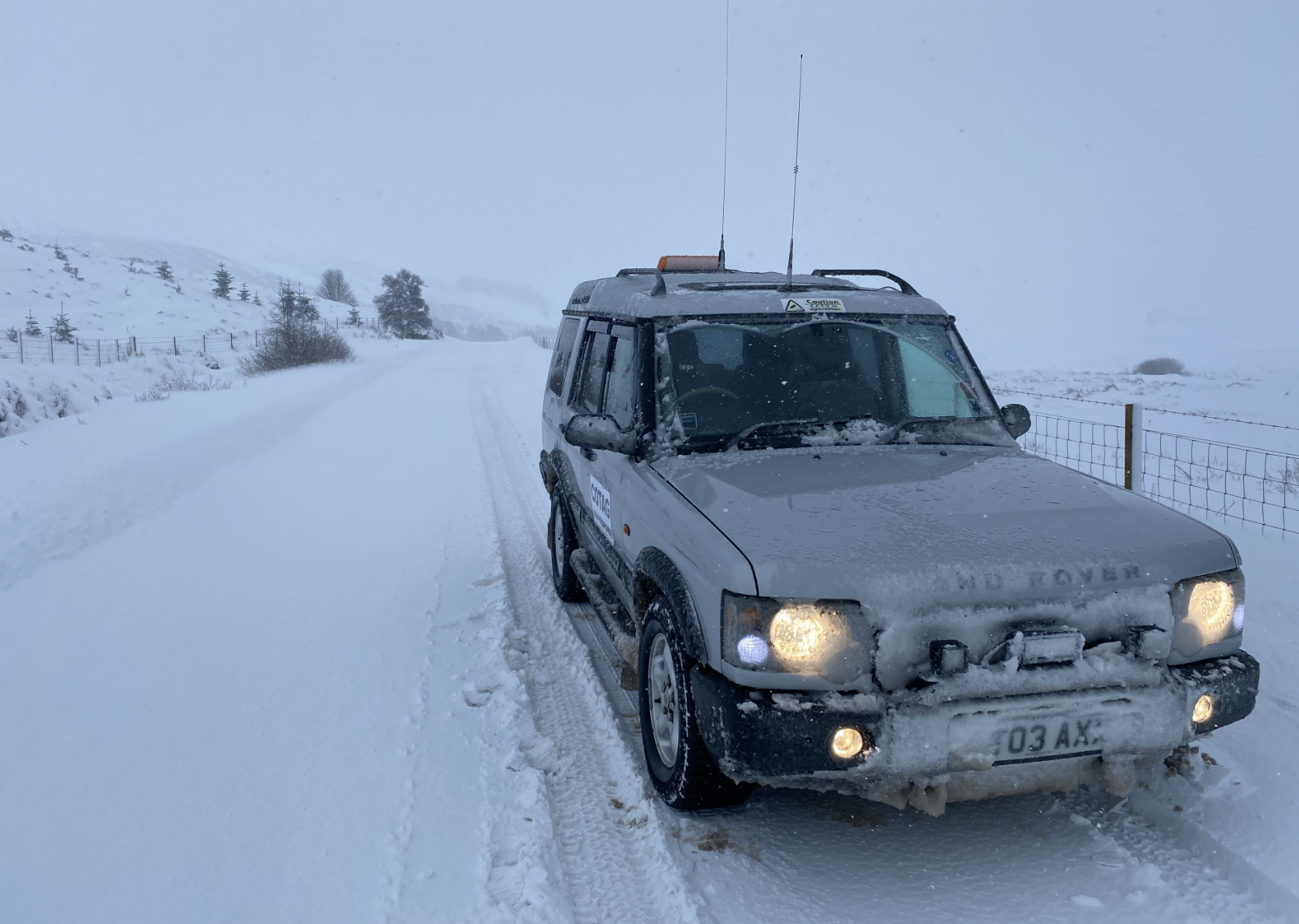
Back in 2004, a small group of like-minded 4×4 owners got together in a small backroom of their local pub. Their mission was to look into the feasibility of developing a 4×4 Response team which would operate throughout the North East area of Scotland. Those individuals all shared a desire...
14th January 2025
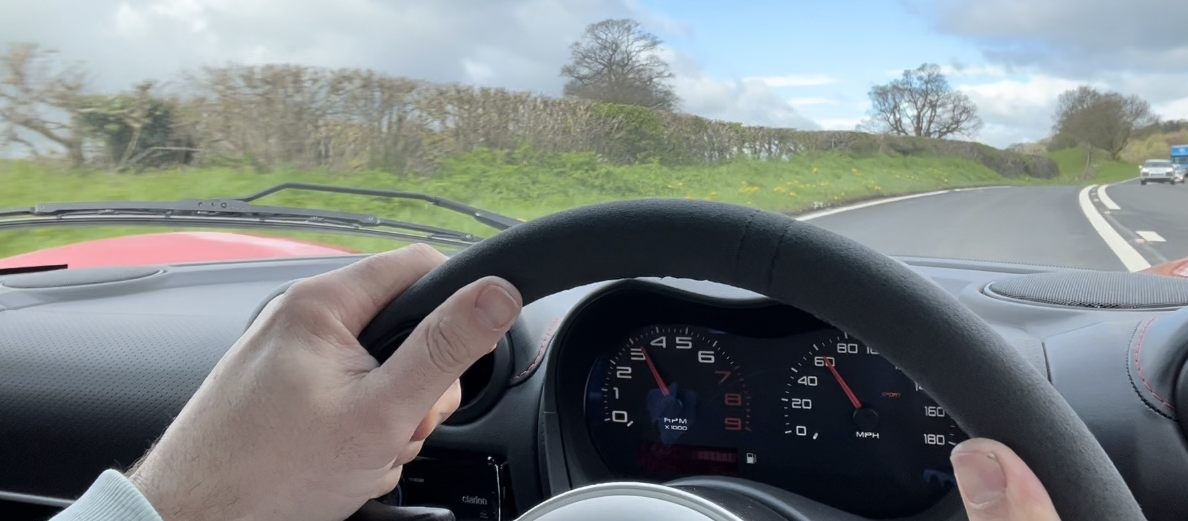
Who can take Advanced Driver training? There are over 45 million car drivers in the UK, but only a small percentage of these have taken an advanced driving test. A higher number may have taken some form of further advanced and defensive training in the form of a Pass Plus...

03rd January 2025
It is not only walking alone, especially in the dark, that women worry about but also when they may be driving alone, where they can face various forms of harassment. These actions range from verbal harassment to physical intimidation and can occur in different environments, on the road, at traffic...

19th December 2024
You may have heard the term commentary driving; this article will explain what it means and how it can benefit any driver. Commentary driving is the ability to verbally express and describe what you are thinking and seeing when driving. It can be initially quite foreign to start, but once...

12th December 2024
Fast-tracking younger drivers to safer driving. Any parent of a teenager taking driving lessons knows too well the worries that come with this step in their lives. The stomach-churning fear sets in when they have passed the practical driving test and are out and about in the car on their...

09th December 2024
Road safety in Edinburgh, like in many cities, is a multifaceted effort involving infrastructure, education, enforcement, and community engagement. Here’s an overview of the situation and initiatives in Edinburgh regarding road safety: Key Concerns Pedestrian and Cyclist Safety: Speeding: Accidents at High-Risk Locations: Recent Initiatives 20mph Speed Limits: Cycling Infrastructure:...
06th December 2024
Performance driving is often associated with race tracks, high-speed sports cars, and adrenaline-pumping speeds. However, the principles of performance driving can be just as valuable on the public roads. When applied safely, responsibly and within the law, performance driving techniques can enhance your ability to control your vehicle, improve road...
26th November 2024
Many of us have heard other people’s opinions of what is and isn’t illegal regarding driving. Still, if the views are not from a traffic officer, it is wise to read up on your highway code before finding yourself in trouble! Here are some of the common driving myths explained....

08th November 2024
The Psychology of Car Colours Chromotherapy is a long-known practice that uses colour to improve well-being both physically and emotionally, as they can affect mood and biology as well as emotional responses. We use colour like this in our homes and our wardrobes and it is no wonder that many...

07th November 2024
Driver Stereotypes – which one are you? As much as we hate to admit it, the car we drive does show a personality type. This article, for entertainment purposes, of course, shows the common stereotypes associated with some vehicles regularly seen on the road in the UK. Fiat 500 The...
28th October 2024
A good driver is not just having a clean licence, as often that can be more luck than judgment; it is someone who consistently takes every trip with care, consideration, and a good frame of mind. It’s much easier said than done, too. When we pass our driving test, we...
22nd October 2024
Things that bad drivers do regularly We often encounter what we consider bad drivers on the road, but what makes a habitual bad driver? Many drivers can have an off day, where they are not driving as well as they can, but to label them as bad drivers may not...

17th October 2024
As long as you have a full driving licence, you can legally drive a van up to 3.5 tons or 7.5 tons if you passed your driving test before 1st January 1997; that is the C1 entitlement and is often called Grandparent rights. If you passed your UK driving test...

08th October 2024
There are many rules regarding driving on motorways in the UK, and for new drivers, they can be quite scary. Since the 4th of June 2018, learner drivers have been allowed to drive on a motorway, but only under the supervision of a DVSA registered instructor, unlike other roads where...
24th September 2024
While we all try to stay within advised speed limits, there may be an odd moment when you find yourself on the wrong side of the law by speeding. You may be flashed by a speed camera on an unfamiliar road, caught in roadworks with temporary speed limits and cameras,...

23rd September 2024
In September 2024, we provided an advanced training session for several drivers based in Sierra Leone who work for an international business involved in the extraction of diamonds. Here is a first-hand account from our tutor, Chris Potten, who provided this training: This was my second driver training job in...
16th September 2024
Germany has long been known for its superior and well-maintained road networks and the famous Autobahns, where speed limits are almost non-existent. These can be very tempting for drivers of performance cars who often make the trip just to put their foot down legally. You do not need a permit...

23rd August 2024
Motorhome and Campervan – (Recreational Vehicle – RV) driving tips There has been a considerable rise in campervans and motorhomes on the roads, especially since Covid, and more people are re-discovering the beauty of the UK and choosing to avoid the busy airports and foreign package holidays. From converted transit-style...

20th August 2024
As a car owner, it’s crucial to understand that your vehicle will require regular maintenance. This could range from servicing to replacing wear and tear items such as discs and pads, bulbs, and wipers to more vital engine components like injectors or fuel pumps. If your car is still under...

02nd August 2024
If you should be unfortunate enough to be involved in a road traffic accident, then there are certain things you need to be aware of before you think about driving again. Immediately stop when it is safe to do so If you are involved in a road traffic accident, by...

30th July 2024
Everyone considering changing their car will be looking for the best deals for their personal circumstances. There are many products to consider when buying or leasing a car, so it’s important to understand each product and how the costs can vary. With the current financial issues many people are facing,...

25th July 2024
With the current availability of both petrol and diesel vehicles until at least 2035, many drivers are faced with the decision of choosing the best-fuelled option for their driving needs. The oncoming ban on new petrol or diesel vehicles in favour of all-electric vehicles is set for 2035, but existing...

23rd July 2024
What are congestion charges? If you live or travel through London, you will be aware of the congestion charges that have been in force since 2003. The TfL (Transport for London) introduced the congestion charge to help reduce the number of vehicles travelling into the central capital. It helps to...

09th July 2024
What will happen to fuel stations in the future? With the government’s ambitious plans to make every new car electric by the 2030s and HGVs emission-free by 2040, the future of traditional fuel stations is set to undergo a significant transformation. This shift will not only affect the transportation sector...

01st July 2024
A guide for international driving licences in the UK One of the most regular enquiries we have as driver trainer providers is for UK familiarisation courses for drivers new to UK driving who need to become safe and confident for business and private driving. We get many queries about whether...
28th June 2024
Are Smart Motorways Dangerous? Smart Motorways (ALR – All Lane Running) have had a poor reputation since their launch in 2006, with the first one introduced on the M42 in the West Midlands. They currently cover approximately 400 miles across the UK motorway network. Due to numerous concerns over safety...